
Ultraviolet (UV) Radiation is a form of high-energy radiation categorized by its wavelength range on the electromagnetic spectrum (~100-400 nm). UV Radiation, sometimes called UV light, is emitted naturally by the sun and artificially by several man-made sources. UV light is invisible to the human eye and poses unique hazards when prolonged exposure occurs.

GERMICIDAL LAMPS
Lab or Research Equipment / Operation:
UV lamps installed in biosafety cabinets or laminar flow hoods are used for sterilization and disinfection purposes, effective at controlling microbial growth in lab spaces.
Control Measures and Best Practices:
- Hood sash to close when UV light is activated
- PPE, such as skin and eye protection
- Signage, warning labels and room postings
- Proper training for laboratory personnel
TRANSILLUMINATORS
Lab or Research Equipment / Operation:
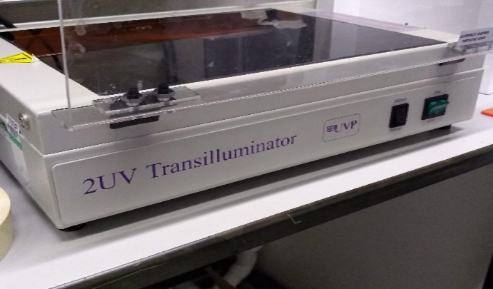
Transilluminators are used to visualize DNA following gel electrophoresis, typically in conjunction with ethidium bromide or other fluorescent stains and are commonly found in biological research laboratories
Control Measures and Best Practices:
- UV shield placed over the gel surface during operation
- Interlocks that prevent the UV light from activating unless the protective shield is properly positioned
- PPE, such as skin and eye protection
- Dedicated laboratory space for UV-work to minimize the risk of inadvertent exposure
- Signage, warning labels, and room postings
- Proper personnel training
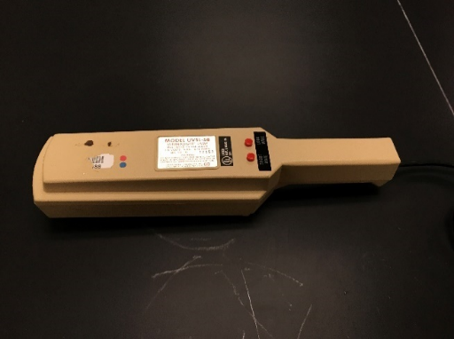
HANDHELD UV LIGHTS
Lab or Research Equipment / Operation:
Handheld UV lights are primarily used to visualize nucleic acids following staining and are commonly found in biological research laboratories.
Control Measures and Best Practices:
- PPE, such as skin and eye protection
- Appropriate training to ensure operator never directs the instrument toward the face or eyes
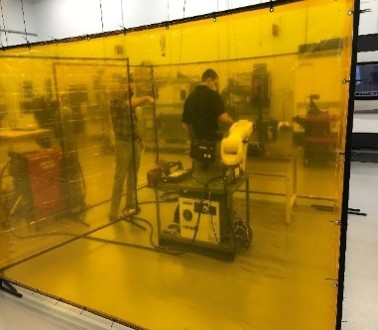
WELDING EQUIPMENT AND PLASMA CUTTERS
Lab or Research Equipment / Operation:
Welding equipment and plasma cutters are typically used for welding and cutting metals in machine shops or by Facilities personnel in institutional shops and repair locations.
Control Measures and Best Practices:
- UV-blocking curtains or welding curtains
- PPE, such as face shields, skin and eye protection
- Signage, warning labels, and room postings
- Appropriate user training
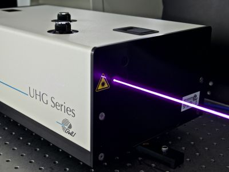
UV LASERS
Lab or Research Equipment / Operation:
UV lasers are used for a variety of applications in research laboratories. Due to the high hazard potential associated with UV laser radiation, coordination with the Radiation Safety Officer is required prior to operating UV laser systems.
Control Measures and Best Practices:
- Manufacturer-installing casing or shielding
- PPE, such as skin and eye protection
- Dedicated laboratory space for experiments utilizing UV lasers
- Signage, warning labels, and room postings
HAZARDS OF UV RADIATION
Exposure to ultraviolet (UV) light can harm the skin and eyes, often without causing immediate pain or warning signs. In many cases, the effects are delayed, appearing minutes or even hours after exposure. Repeated or prolonged exposure to certain UV wavelengths can increase the risk of serious long-term health effects, including cataracts and skin cancer.
SKIN INJURIES
Brief, intense exposure of the skin to UV light can cause redness, pain and blistering similar to sunburn. Over time, repeated or prolonged UV exposure increases the risk of developing skin cancer.
EYE INJURIES
Short-term exposure of the eyes to excessive UV light can lead to painful eye injuries. Symptoms may include eye redness, pain, sensitivity to light, and a gritty or burning sensation. These effects are colloquially termed as Welder’s Flash, Arc Eye, or Snow Blindness. Long-term exposure to certain UV wavelengths can also increase the risk of developing cataracts.
SUSPECTED EXPOSURE
If laboratory personnel experiences skin effects like sunburn or eye discomfort following UV exposure, they should promptly seek medical attention. The incident must also be reported in accordance with Auburn University’s Claims Portal.
ENGINEERING CONTROLS
Engineering controls are the most effective means of reducing UV exposure. UV sources should be designed and configured to prevent any potential skin or eye exposure while the UV light is operating. This is commonly achieved through physical shielding or the use of interlocks that automatically shut off the UV source when a door, panel, or access port is opened.
ADMINISTRATIVE CONTROLS
All UV sources must be clearly marked with a conspicuous warning label at the point of access. The label should indicate that ultraviolet radiation is present and clearly state that appropriate eye and skin protection is required.
In addition, all new employees, faculty, and students must be informed of any hazardous UV sources, as well as other workplace hazards present in their work areas. This information should include the potential risks associated with UV exposure and the protective measures required to prevent injury.
PERSONAL PROTECTIVE EQUIPMENT
If engineering controls are not in place or do not fully prevent eye or skin exposure to a UV source, appropriate personal protective equipment must be worn. For the UV sources described here (excluding lasers), the required PPE includes clothing that fully covers the skin, such as a lab coat, gloves, long pants, and closed toe shoes, and a polycarbonate face shield that provides full facial coverage.
Care should be taken to ensure that all exposed areas, particularly the neck and wrists, are adequately covered to minimize the risk of UV exposure.
AUBURN UNIVERSITY RESOURCES
If there are any concerns about a UV source in a laboratory or work area, contact Auburn University Radiation Safety Office. The Office can evaluate potential risks for skin or eye exposure and assist in implementing appropriate exposure controls to prevent or reduce the likelihood of exposure.
For additional information ultraviolet radiation hazards and recommended exposure limits, consult the Radiation Safety Office for technical assistance.